
If you were cruising Route 66 in 1975, flipping on your Citizens Band (CB) radio meant entering a world of coded chatter, camaraderie, and rebellion. Far more than a communication tool, CB radios became a cultural phenomenon—fueled by truckers, counterculture enthusiasts, and everyday Americans seeking connection in an era of gasoline shortages and growing distrust of authority. At the heart of this subculture? A vibrant lexicon of slang that turned static-filled airwaves into a secret language, bonding strangers across state lines and cementing CB radio as a defining symbol of 1970s America.
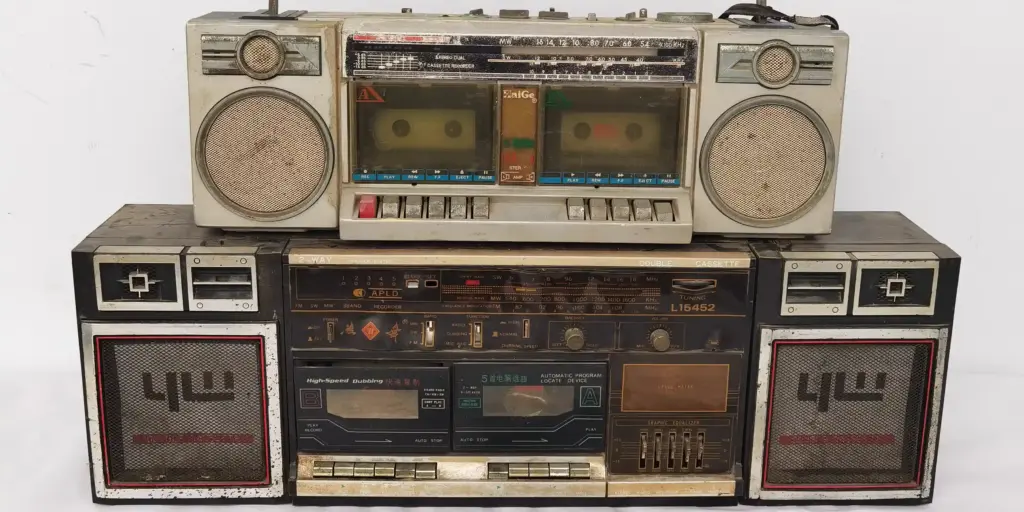
The Rise of CB Culture: Why Slang Took Hold
To understand CB slang, you first need to grasp the cultural moment that birthed it. In the early 1970s, two crises collided to make CB radios indispensable: the 1973 oil embargo (which led to 55-mph speed limits and long gas station lines) and the rise of trucking as a backbone of American commerce. Truckers, navigating endless highways and evading “smokey bears” (state troopers), adopted CB radios to share real-time intel—warning each other of speed traps, gas shortages, and open diners. But it wasn’t just truckers: suburban dads, teens, and anti-establishment rebels embraced CBs as a way to bypass mainstream media and connect directly, no filters, no rules.
Slang emerged out of necessity. With the Federal Communications Commission (FCC) restricting CB use to 40 channels (channel 19 became the trucker default), brevity was key. Coded terms also helped avoid FCC scrutiny—since the agency banned “obscene” or “unlawful” communications. What followed was a linguistic revolution: a mix of trucker jargon, military slang, and playful neologisms that felt like a secret handshake for anyone in the know.
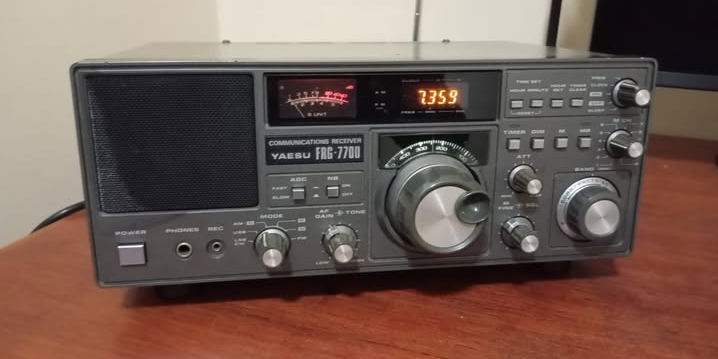
Iconic 1970s CB Slang: From “Breaker” to “Rubber Duck”
Let’s dive into the lingo that defined the era—terms that still spark nostalgia for those who lived it, and feel delightfully retro to modern ears:
- Breaker, Breaker: The ultimate CB greeting, meaning “Is anyone listening?” or “I’m trying to join a conversation.” Derived from “breaking in” on a channel, it’s the most enduring CB phrase, immortalized in songs like C.W. McCall’s Convoy.
- Smokey Bear/Smokey: A code name for state troopers, inspired by the U.S. Forest Service’s Smokey Bear mascot (both wore wide-brimmed hats). Truckers used it to warn others: “Smokey ahead on I-75” was a lifesaver for avoiding tickets.
- Rubber Duck: A newbie or amateur CB user—originally a joke about someone “floating” aimlessly on the airwaves. If you were called a Rubber Duck, it was time to brush up on your slang!
- 10-4: The universal “affirmative” or “message received,” borrowed from police 10-code systems. It became so mainstream that it’s still used today, a testament to CB’s cultural impact.
- Chicken Coop: A weigh station for trucks, where “smokeys” checked vehicle weights. Truckers would alert each other: “Chicken Coop ahead—all clear!”
- Handle: Your CB radio nickname. Choosing a handle was a rite of passage—truckers opted for tough monikers like “Road Dog” or “Steel Horse,” while casual users went for playful ones like “Sunshine” or “Beach Bum.” Handles let people be whoever they wanted, fostering a sense of anonymity and freedom.
- Bear Bait: A slow-moving car or truck that attracts police attention (since troopers often pull over slow vehicles to check for violations). Truckers would warn: “Bear bait on the right—watch your speed!”
- Convoy: A group of trucks traveling together for safety and efficiency. The 1975 hit song Convoy turned this term into a cultural touchstone, celebrating trucker solidarity and rebellion against authority.
- Over and Out: Signing off—meaning “I’m done talking, and I won’t be listening anymore.” A polite way to exit a conversation without leaving others hanging.
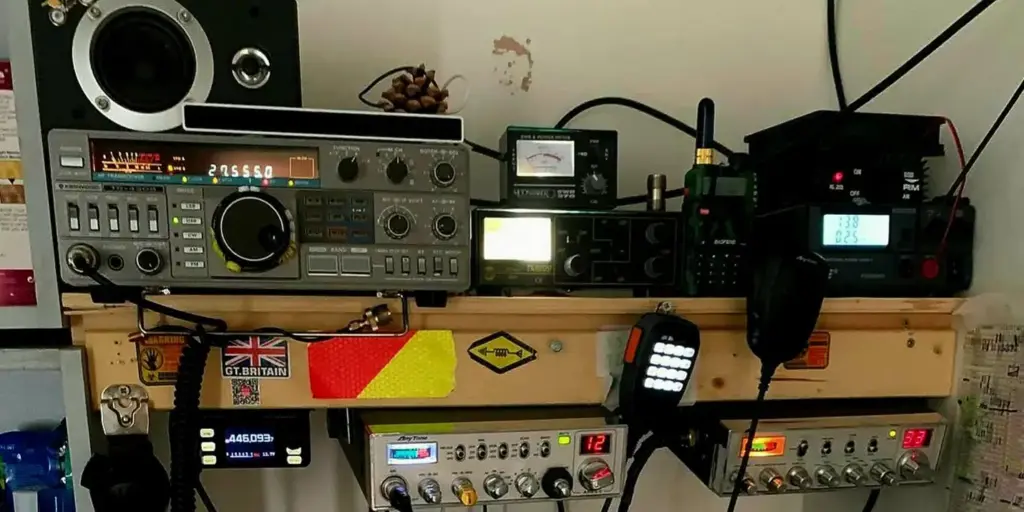
CB Slang as a Cultural Symbol: Rebellion, Community, and Nostalgia
What made CB slang more than just jargon? It was a reflection of 1970s America’s values and anxieties. In an era of Watergate, Vietnam, and economic uncertainty, CB radios offered a space for ordinary people to take control—sharing information, supporting each other, and mocking authority (hence the playful digs at “smokeys”). It was a grassroots communication revolution, long before the internet—proof that people craved connection beyond what mainstream media and institutions provided.
Truckers, in particular, became folk heroes through CB culture. They were seen as rugged individualists fighting against a system that ignored their struggles (long hours, low pay, strict regulations). CB slang humanized them—turning “trucker” from a faceless occupation into a community with its own language and code of honor. Songs, movies, and TV shows (like BJ and the Bear) capitalized on this, cementing CB culture as a defining part of 1970s pop culture.
Today, CB radios are mostly relics—replaced by cell phones, GPS, and social media. But their slang lives on, a nostalgic reminder of a time when connection was slower, more intentional, and a little bit rebellious. Phrases like “10-4” and “breaker, breaker” still evoke images of neon-lit truck stops, crackling radios, and strangers becoming friends through static.
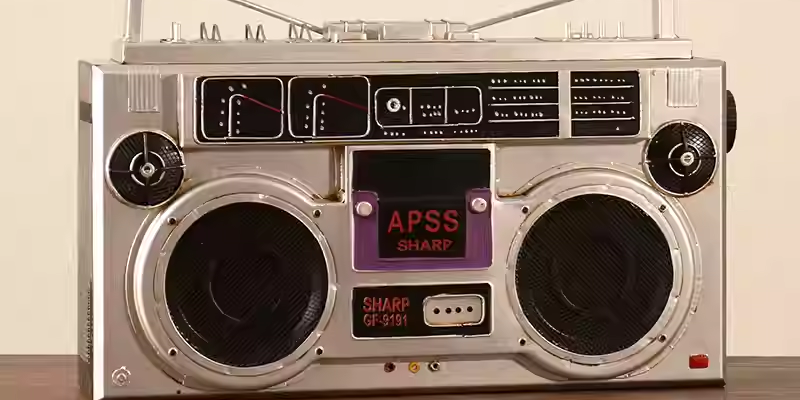
Why We Still Love CB Slang
In a world of instant messaging and algorithmic connections, CB slang feels refreshingly human. It’s a reminder of a time when communication required patience, creativity, and a willingness to engage with strangers. For those who grew up in the 1970s, it’s a trip down memory lane—recalling late nights in the garage, tuning into channel 19, and laughing at a trucker’s witty handle. For younger generations, it’s a window into a bygone era—one where technology brought people together, not apart.
So next time you hear someone say “10-4” or “breaker, breaker,” take a moment to appreciate the cultural legacy behind those words. They’re more than just slang—they’re a tribute to the 1970s, a decade when CB radios turned ordinary people into storytellers, rebels, and friends.
Over and out.