
In un'epoca in cui gli smartphone e Internet dominano la comunicazione globale, la radio CB può sembrare a molti una reliquia del passato.
Eppure, nonostante (o forse proprio a causa) della rivoluzione digitale, la radio CB continua a godere di una comunità fedele e in crescita. Cosa rende questa forma di comunicazione classica così attraente e perché sempre più persone stanno riscoprendo la radio CB?
1. Che cosa è Radio CB?
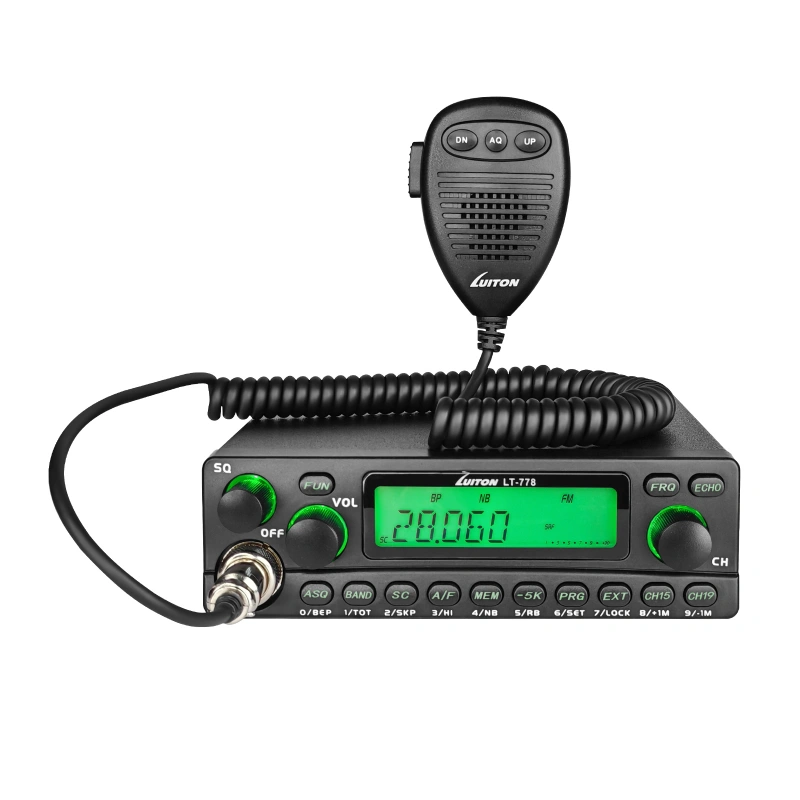
La radio CB (Citizens' Band) è una tecnologia radiofonica senza licenza che opera sulla frequenza di 27 MHz in molti paesi. È diventata popolare negli anni '70 e '80, in particolare tra i camionisti, gli appassionati di radio e la comunità outdoor.
- Gamma di frequenza: 27 MHz (banda degli 11 metri).
- Numero di canali: 80 canali sono omologati in Germania.
- Licenza: Non è richiesta alcuna licenza.
- Tipi di modulazione: AM, FM e SSB.
A differenza dei radioamatori, la radio CB è liberamente accessibile, non richiede esami ed è quindi particolarmente adatta ai principianti.
2. La nostalgia incontra i tempi moderni - La radio CB nell'era digitale
Molti associano la radio CB all'epoca d'oro degli anni '80, quando camionisti, campeggiatori e appassionati di radio comunicavano utilizzando nominativi creativi e il proprio gergo radiofonico.
Ma questo non significa che oggi la radio CB sia superata, anzi!
- Nuove tecnologie: I moderni dispositivi radio CB sono dotati di funzioni come la soppressione del rumore, il Bluetooth e le porte USB, che li rendono più comodi da usare.
- Connettività digitale: Molti operatori radio CB combinano la radio con le piattaforme digitali e si organizzano in forum e social network.
- Tendenza retrò: Come i dischi in vinile o la fotografia analogica, la radio CB sta vivendo un revival, soprattutto tra le persone che cercano una forma di comunicazione alternativa.
3. Radio CB come comunicazione affidabile in tempi di crisi
Uno dei maggiori vantaggi della radio CB è la sua indipendenza dalle reti mobili e da Internet.
Ciò la rende particolarmente preziosa nelle situazioni in cui gli altri mezzi di comunicazione falliscono.
- Comunicazione di emergenza: Durante i disastri naturali o le interruzioni di corrente, la radio CB può essere un collegamento vitale con il mondo esterno.
- Indipendenza dell'infrastruttura: Non sono necessarie torri cellulari o WiFi: la radio CB funziona ovunque, purché sia disponibile una fonte di alimentazione o delle batterie.
- Comunità Prepper e Outdoor: Molte persone che si preparano a situazioni di crisi o che viaggiano spesso in aree remote utilizzano la radio CB come mezzo di comunicazione affidabile.
Esempio: Durante l'interruzione di corrente del 2021 in Texas, alcuni residenti hanno potuto mantenere i contatti con i vicini e i soccorritori solo tramite radio CB.
4. Comunità e scambio sociale - Radio Connects
Uno dei maggiori punti di forza della radio CB è la forte comunità che la sostiene. A differenza delle chat anonime o dei commenti sui social media, il contatto diretto con la radio crea spesso un'atmosfera personale e amichevole.
- Amicizie e reti: La radio CB riunisce persone con interessi simili, spesso per molti anni.
- Gruppi radiofonici locali: In molte regioni sono stati creati gruppi radio CB che comunicano regolarmente su canali specifici.
- Disponibilità: Non è raro che gli operatori radio CB si aiutino a vicenda in situazioni di emergenza, sia per guasti all'auto che per problemi tecnici.
5. Il fattore divertimento - Avventura e scoperta
La radio CB non è solo un mezzo di comunicazione, ma anche un hobby appassionante con molte sfaccettature:
- Tour radiofonici: Molti operatori radio CB viaggiano con le loro apparecchiature per testare la portata dei loro segnali.
- Edificio dell'antenna: Ottimizzare la propria antenna per ottenere la migliore portata è una sfida che appassiona molti operatori.
- DXing: Chi vuole raggiungere le stazioni più lontane con una radio CB si dedica al "DXing", una vera e propria arte.
6. Come iniziare con Radio CB
Iniziare a usare la radio CB è più facile che mai: ecco alcuni consigli per iniziare:
1. Scegliere la radio giusta
Esistono radio portatili per l'uso in movimento e stazioni base più grandi per l'uso domestico.
2. Procurarsi l'antenna appropriata
Una buona antenna è fondamentale per la portata.
Le antenne a montaggio magnetico sono ideali per le automobili, mentre le antenne a stilo più grandi offrono maggiore potenza per l'uso domestico.
3. Conoscere i canali giusti
- Canale 9: canale di emergenza e assistenza.
- Canale 19: canale principale per i camionisti.
- Canale 40: canale DX frequentemente utilizzato.
4. Osservare il galateo radiofonico
- Niente interferenze o insulti inutili.
- Segnalare la fine della conversazione con "Roger" o "Over".
- Mostrare considerazione per gli altri utenti.
Conclusione: Radio CB Rimane affascinante
Nonostante i moderni mezzi di comunicazione, la radio CB rimane un hobby appassionante e versatile.
Che si tratti di comunicazione d'emergenza, di piattaforma sociale o di sperimentazione tecnica, il fascino del Radio CB rimane inalterata. Soprattutto in un mondo sempre più digitalizzato, la radio analogica offre una gradita alternativa che unisce comunità, indipendenza e avventura.
Per chi è alla ricerca di una forma di comunicazione autentica e indipendente, vale la pena provare la radio CB e magari fare nuove amicizie via etere.