
I. Prima di tutto, capire le basi: Differenze fondamentali tra UHF e VHF
L'essenza della comunicazione radio risiede nel compromesso tra le caratteristiche delle bande di frequenza. Le due bande di frequenza più comunemente utilizzate, UHF (Ultra High Frequency) e VHF (Very High Frequency), differiscono in modo significativo per le proprietà fisiche e le prestazioni pratiche:
| Dimensione | VHF (Frequenza molto alta) | UHF (Ultra High Frequency) |
| Gamma di frequenza | 30-300MHz | 300MHz-3GHz |
| Lunghezza d'onda Caratteristica | 1-10 metri (lunghezza d'onda maggiore) | 0,1-1 metri (lunghezza d'onda inferiore) |
| Capacità di propagazione | Forte diffrazione, può estendersi lungo il terreno | Forte penetrazione, può attraversare muri/edifici |
| Ambiente adatto | Aree aperte (natura selvaggia, oceani, pianure) | Ambienti complessi (città, interni, agglomerati di edifici) |
| Dimensioni dell'antenna | Richiede un'antenna più lunga (1-5 metri), meno portatile | Supporta un'antenna corta (0,3-1 metro), ideale per i dispositivi palmari |
Queste differenze determinano direttamente gli scenari di applicazione dei due tipi di dispositivi, ad esempio, Radio ricetrasmittente VHF è più adatto alle avventure all'aria aperta, mentre Radio ricetrasmittente UHF è la scelta migliore per la sicurezza dei centri commerciali.

II. L'inevitabile radio CB: La relazione intrecciata tra VHF, UHF e CB
Molte persone confondono le radio CB con i concetti di VHF/UHF. In realtà, CB (Citizen's Band) è una banda di frequenza aperta indipendente, mentre VHF/UHF sono classificazioni tecniche più ampie, con sovrapposizioni e complementarietà tra loro:
1. Comprensione di base: L'unicità delle radio CB
Le radio CB si riferiscono specificamente ai dispositivi di comunicazione civili che operano nella banda dei 27 MHz (26.965-27.405 MHz), secondo la normativa FCC regole. Il loro vantaggio principale è funzionamento senza licenzache li rende adatti a scenari non professionali, come le flotte e gli appassionati di outdoor. Tuttavia, è importante fare una precisazione: le radio CB tradizionali non appartengono né alle VHF né alle UHF. La loro frequenza è al di sotto del limite inferiore delle VHF, offrendo una forte diffrazione ma una scarsa capacità di contrasto.
2. Categorie speciali: L'esistenza di Radio CB VHF/UHF
Con lo sviluppo tecnologico, sono nati dispositivi CB derivati adattati a diverse bande di frequenza:
- VHF Radio CB: Radio civili lanciate in alcune regioni che operano nella banda VHF (di solito 136-174 MHz). Combinano l'apertura del CB con i vantaggi a lunga distanza del VHF, adatti per le comunicazioni non professionali sulle navi oceaniche.
- Radio CB UHF: Radio civili funzionanti nel UHF (principalmente 400-470 MHz). Mantengono la caratteristica di assenza di licenza dei CB, ma possiedono la capacità di penetrazione nei muri degli UHF, diventando una scelta popolare per le comunicazioni temporanee nei cantieri.
- Radio CB VHF/UHF: Radio civili a doppia banda che possono passare da VHF a UHF. Ad esempio, è possibile utilizzare la banda VHF per contattare la flotta durante i viaggi su strada e passare alla banda UHF per comunicare gli alloggi quando si entra in città, offrendo la massima flessibilità.
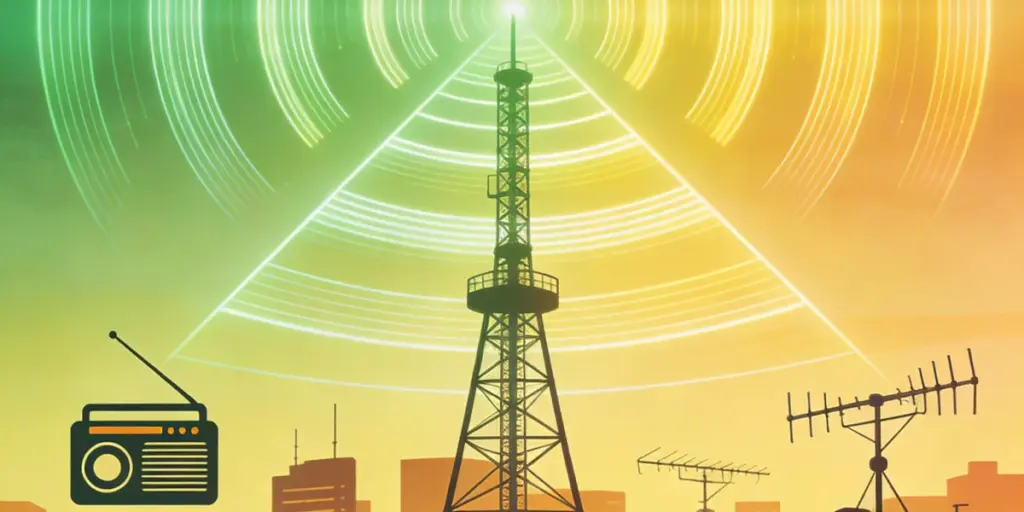
3. Differenze fondamentali tra radio VHF e CB
Molti si chiedono: "Qual è la cosa migliore? VHF e radio CB?" La risposta dipende dalle vostre esigenze:
- Perseguire lunga distanza + basso costo: Scegliete le radio CB tradizionali. Possono coprire 10-20 miglia in aree aperte, ma sono suscettibili alle interferenze del terreno.
- Perseguire stabilità + scenari professionali: Scegliere Radio ricetrasmittente VHF. Ad esempio, le radio VHF marine possono raggiungere i 25 watt di potenza, con una distanza di comunicazione 2-3 volte superiore a quella delle radio CB, e sono anche dotate di canali di emergenza (come il canale 16 marino, il canale 9 di emergenza, il canale 19 per i camion).
III. Selezione basata su scenari: Abbinare i tipi di dispositivi alle esigenze
Scenari diversi hanno requisiti di banda di frequenza molto diversi. Un abbinamento preciso evita di "sprecare denaro con il dispositivo sbagliato":
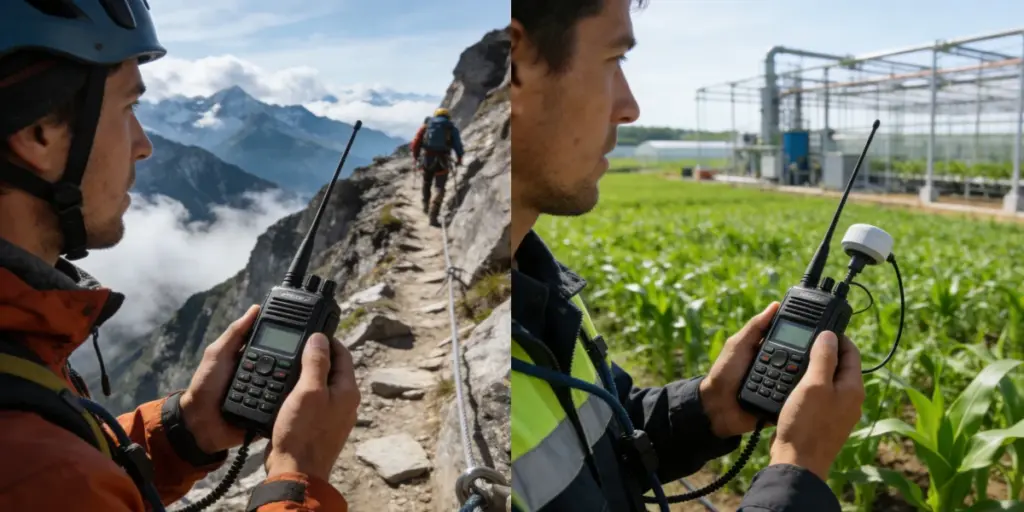
1. Scenari all'aperto: Le radio ricetrasmittenti VHF Excel
- Scenari applicabili: Alpinismo, agricoltura, prevenzione degli incendi boschivi, pesca marina.
- Logica di base: I segnali VHF sono caratterizzati da una forte diffrazione, che consente loro di aggirare ostacoli come montagne e foreste, e la loro distanza di propagazione in aree aperte è di gran lunga superiore a quella degli UHF. Ad esempio, le pattuglie forestali che utilizzano Radio ricetrasmittente VHF possono raggiungere un raggio di copertura per singolo dispositivo di 30-50 chilometri, mentre i dispositivi UHF della stessa potenza possono coprire solo 10-20 chilometri.
- Scelta avanzata: Se si entra di tanto in tanto in villaggi e città, si può abbinare un Radio CB VHF/UHF per cambiare banda di frequenza in modo flessibile.
2. Scenari urbani: I dispositivi UHF sono indispensabili
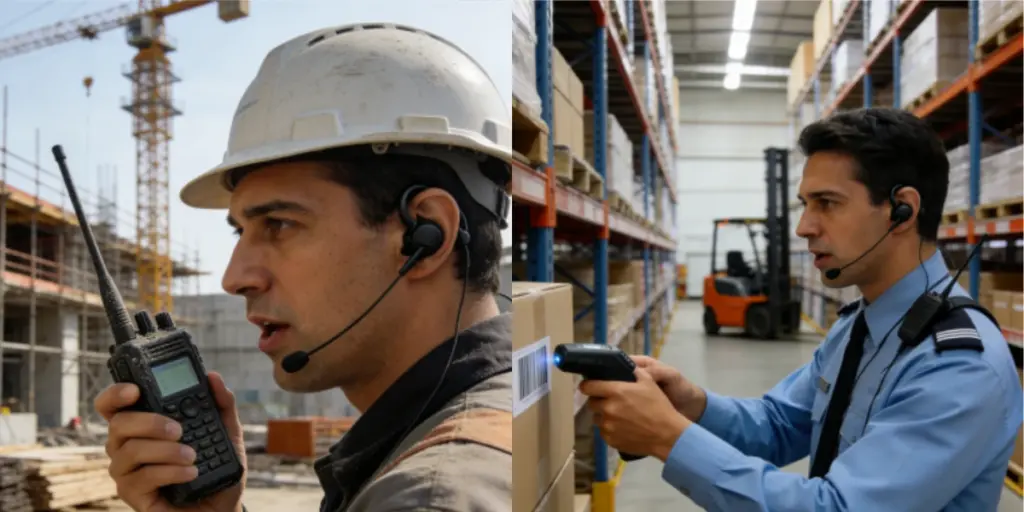
- Scenari applicabili: Sicurezza dei centri commerciali, servizi alberghieri, cantieri, gestione dei magazzini.
- Logica di base: I segnali UHF possono penetrare ostacoli come pareti di cemento e strutture in acciaio, mantenendo una comunicazione stabile tra i grattacieli. Ad esempio, la sicurezza dei centri commerciali che utilizzano Radio ricetrasmittente UHF possono comunicare normalmente tra i garage sotterranei e le sale macchine all'ultimo piano, mentre i dispositivi VHF si disconnettono spesso in questi scenari.
- Scelta conveniente: Radio CB UHF non richiede alcuna licenza, il che lo rende adatto alle esigenze di comunicazione temporanea in progetti edilizi di breve durata.
3. Hobby amatoriali: Scegliere in modo flessibile in base alle aree di attività
- Escursioni in natura/viaggi in flotta: Le radio CB tradizionali sono sufficienti, in quanto offrono un costo contenuto e un funzionamento semplice.
- Radioamatori (HAM): Priorità Radio ricetrasmittenti a doppia banda VHF/UHF. La banda VHF (144-148 MHz) è adatta per le comunicazioni a lunga distanza con i telefoni cellulari. Antenna da 1000w, mentre la banda UHF (430-440 MHz) è ideale per le reti locali.
IV. Guida per evitare le insidie: 3 dettagli chiave da controllare prima di scegliere
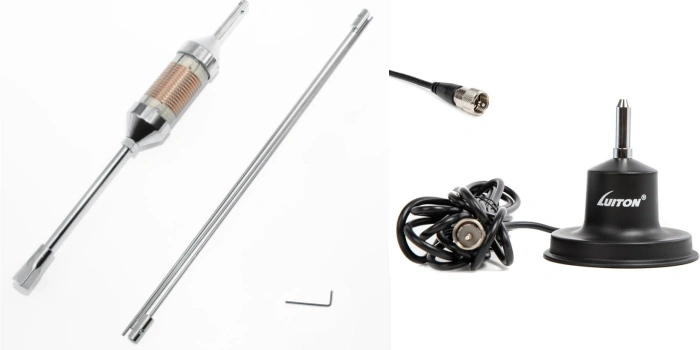
- Antenna Compatibilità: I dispositivi VHF richiedono antenne lunghe: l'uso forzato di antenne corte riduce notevolmente la distanza di comunicazione; l'uso di antenne lunghe per i dispositivi UHF può causare un sovraccarico del segnale.
- Conformità normativa: Le radio CB ordinarie non richiedono alcuna licenza, ma Radio ricetrasmittente VHF utilizzati in scenari quali l'aviazione e le comunicazioni marittime devono essere utilizzati con una licenza valida.
- Bilancio dei costi: I dispositivi VHF sono leggermente più economici, mentre quelli UHF sono moderatamente più costosi. Tuttavia, Dispositivi dual-band VHF/UHF sono in grado di gestire più scenari, rendendoli più convenienti per l'uso a lungo termine.
Materiali di riferimento:CSDN Blog, Air Comm, Elecbee, Talkpod.