Buying the TYT MD-UV390 Plus? Check DMR programming, analog channels, battery and charger contents, and firmware details before ordering.
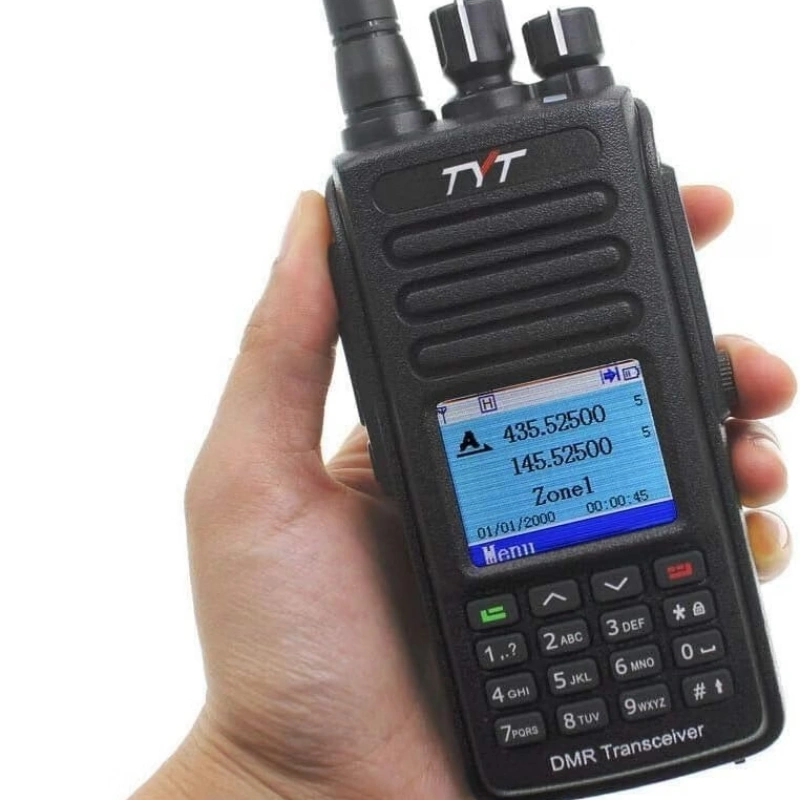

Buying the TYT MD-UV390 Plus? Check DMR programming, analog channels, battery and charger contents, and firmware details before ordering.
Is the QYT CB-58 right for you? Check AM and FM compatibility, the BNC antenna connection, and what to confirm before choosing a handheld CB.
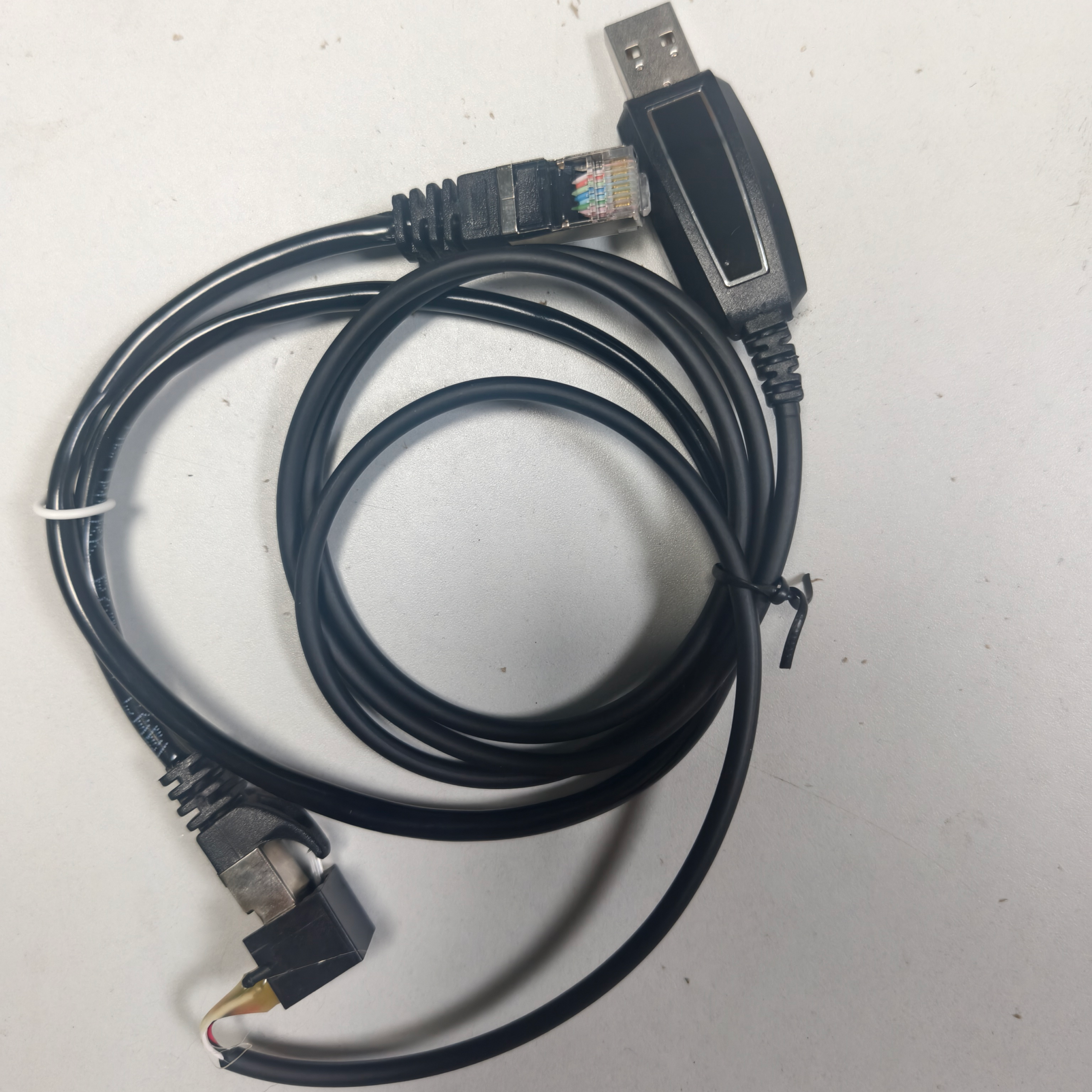
Check LT-AC890 cable compatibility with LT-890SSB, LT-8001PRO and LT-8003PRO, plus the software availability questions to settle before ordering.
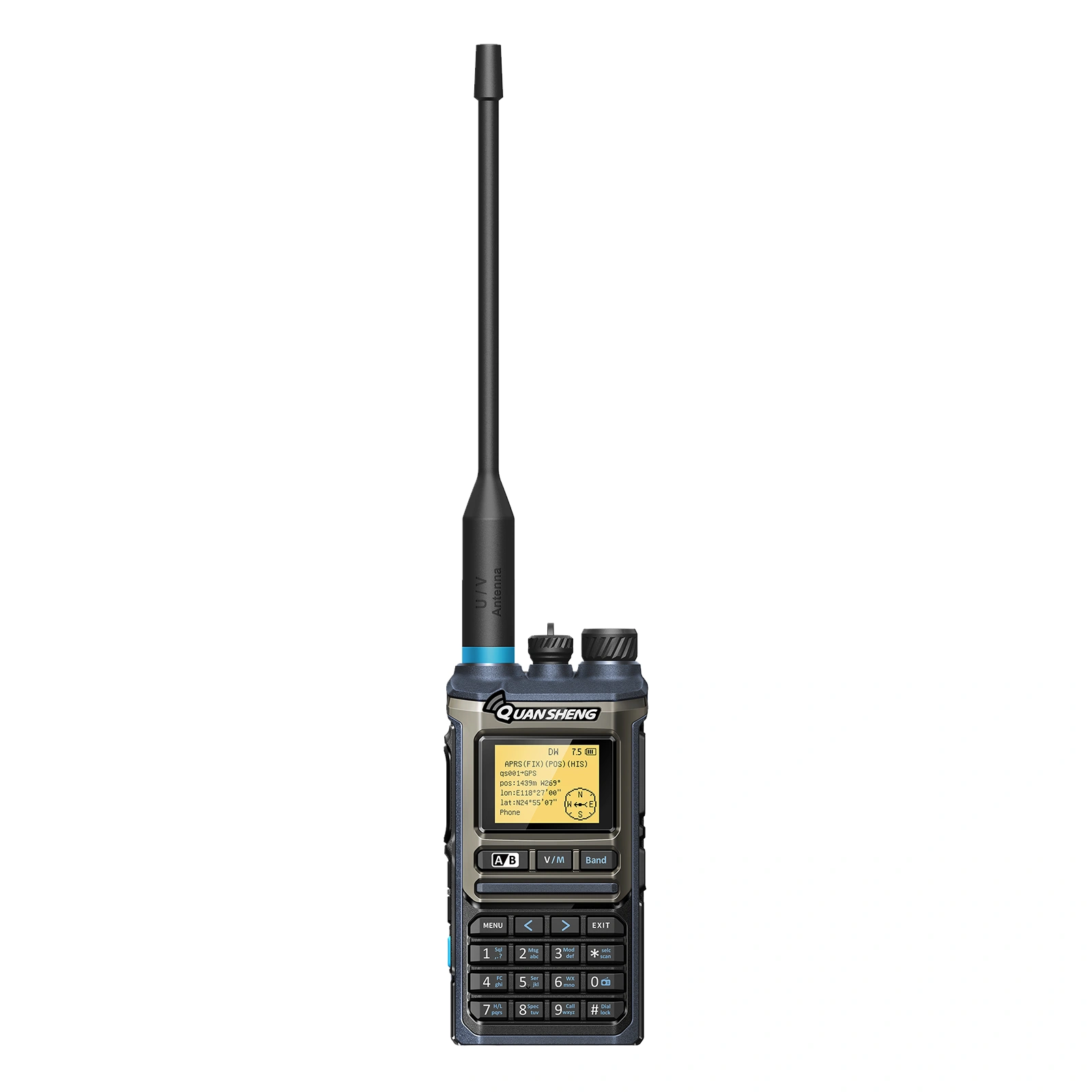
Compare QUANSHENG UV-K10 Pro Normal and Si4732 options, listed receive ranges, GPS details, charging and what to confirm before choosing your radio.
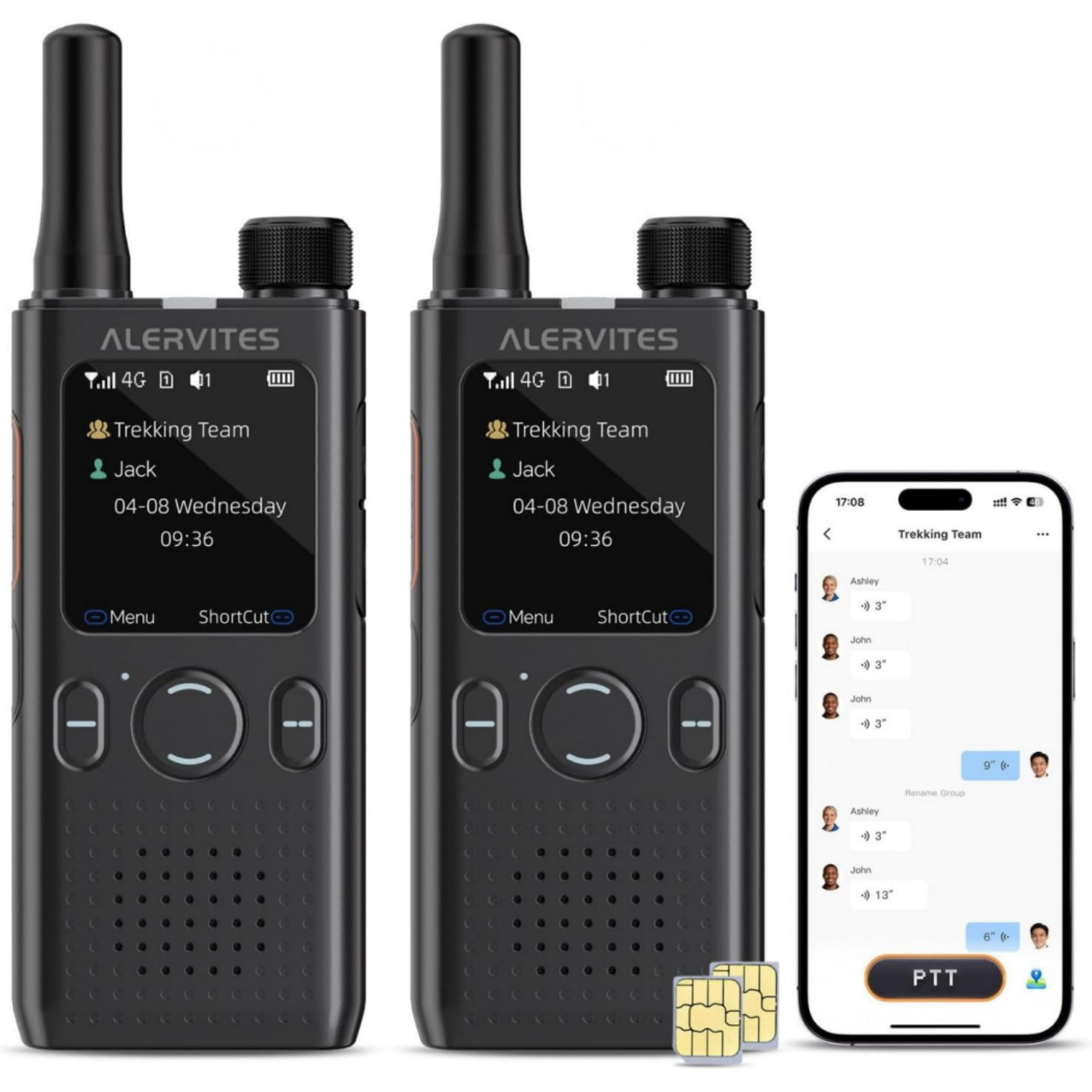
The AT1 uses mobile networks for push-to-talk. Here is how to check coverage, SIM terms, group setup and the right package before buying.
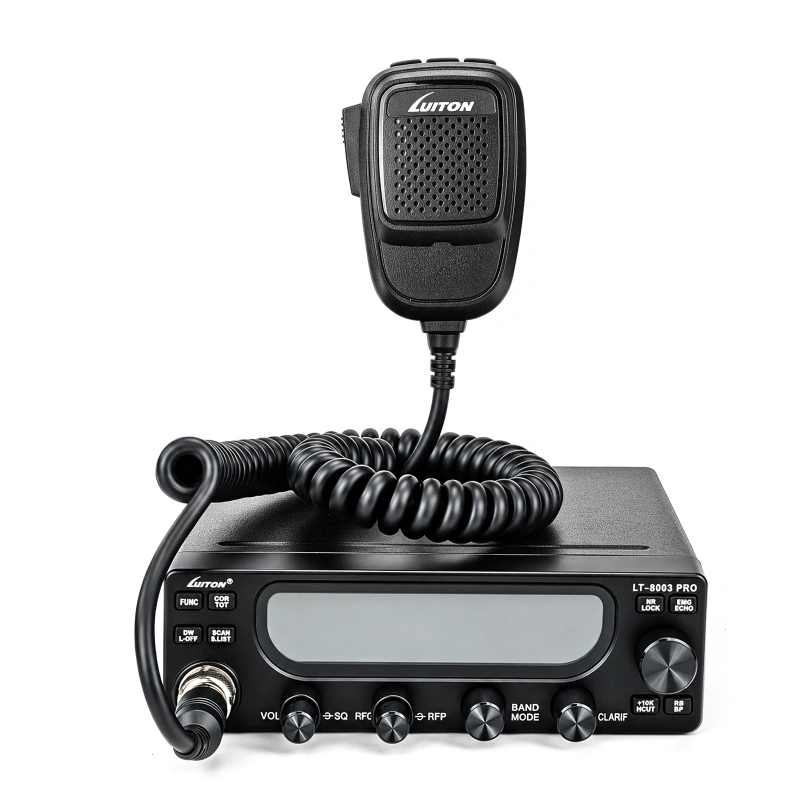
Considering the LUITON LT-8003 PRO? See its features, installation needs, box contents and how it differs from the LT-8001 PRO before buying.
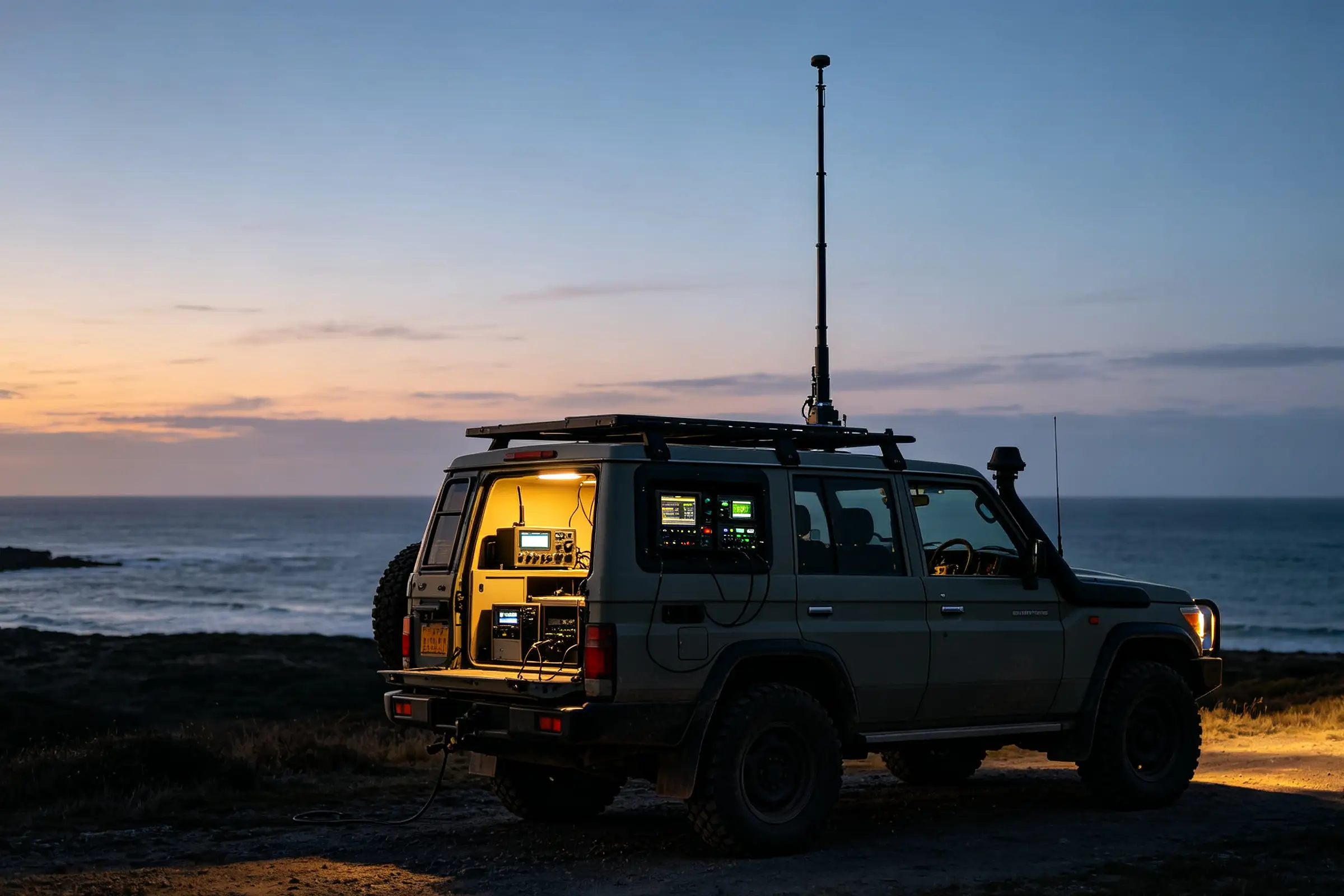
The 10-meter band (28.000–29.700 MHz) sits at the top of the HF spectrum. It is the highest-frequency HF band, which makes it uniquely sensitive to two very different propagation mechanisms: F2 layer propagation driven by the solar cycle, and Sporadic E (Es) — short-lived, intense openings that have nothing to do with the sunspot number.-26 2026 is a particularly interesting year to be on 10 meters. Solar Cycle 25 is still delivering usable high-band conditions, with solar flux indices in the 140–150 range at times and a maximum usable frequency occasionally peaking near 28 MHz. At the same time, the Northern Hemisphere Sporadic E season runs roughly May through August, adding a second, completely independent […]
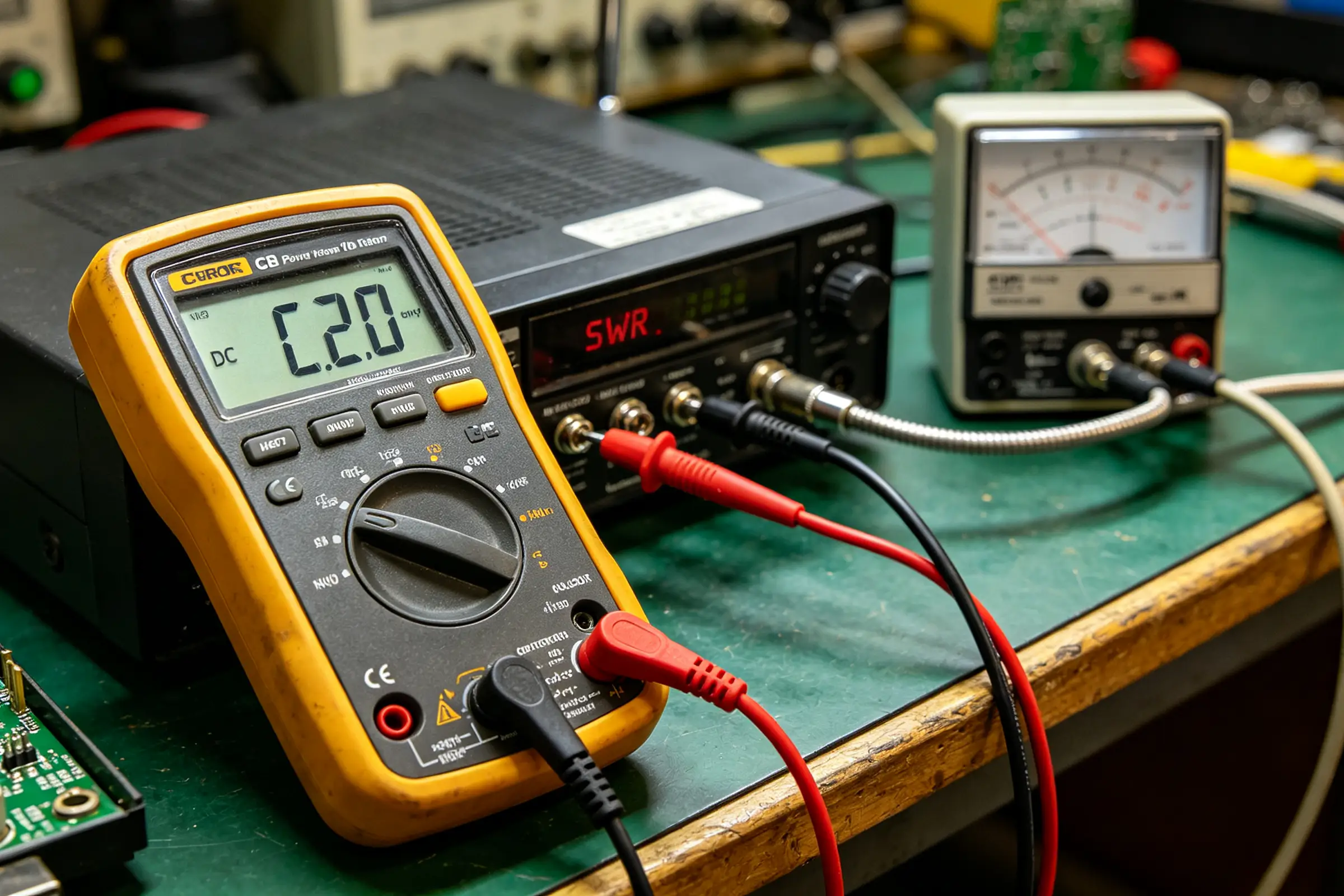
Most CB radio “failures” are not radio failures at all. They are power connection problems, microphone issues, or antenna-system faults that can be found and fixed without opening the case. A properly maintained CB can run 10 to 15 years; most failures come from corrosion, loose connections, or high SWR quietly wearing down the final output transistor — not from the radio itself wearing out.-11 This guide works through the most common symptoms in the order you should check them: no power, powers on but won’t transmit, weak or unclear audio, and high SWR. Stop transmitting immediately if SWR is pegged or above 3:1 — continuing to key the mic with […]
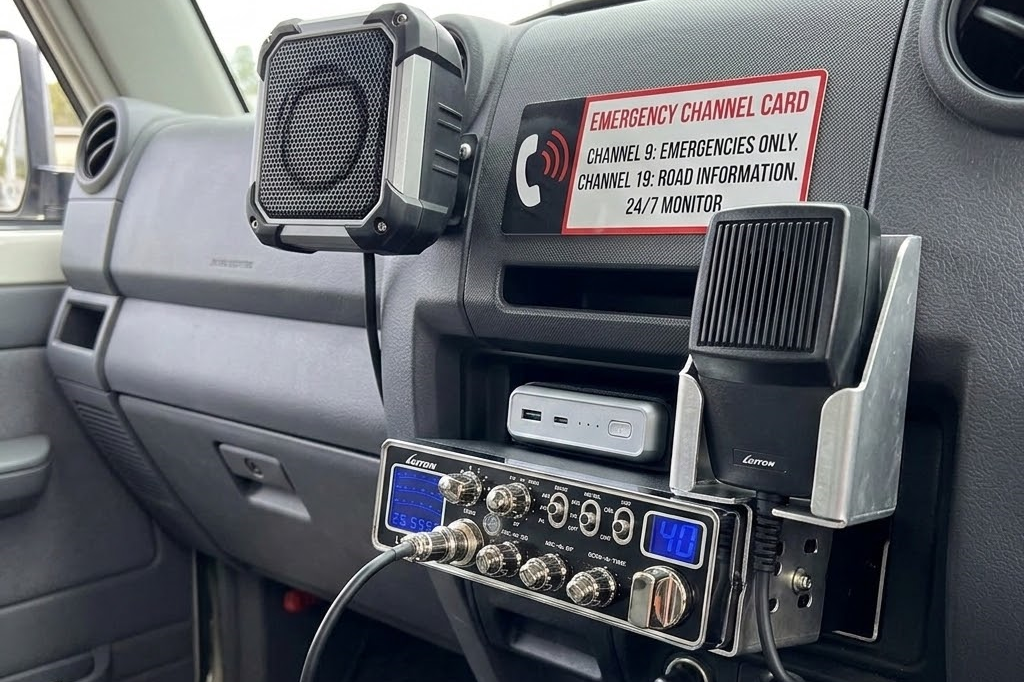
When the power goes out and cell towers overload, most people lose their primary way to communicate. CB radio is one of the few tools that keeps working because it doesn’t depend on towers, Wi-Fi, or a functioning grid. It runs on vehicle power or a battery pack, and as long as you have a radio and a properly connected antenna, you can transmit and receive. That reliability is why preppers, truckers, and RV owners keep CB radios in their emergency kits. But having a radio isn’t enough. You need to know which channels to use, what to say, and how to configure your setup before the emergency happens. This […]
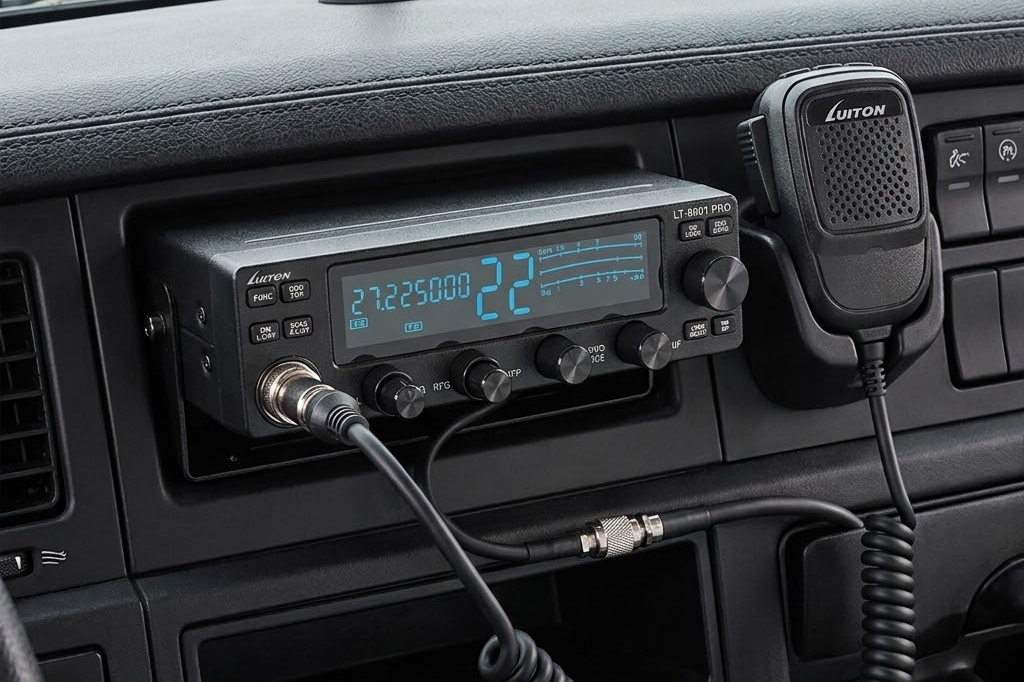
Installing a mobile CB radio takes most people 1 to 3 hours and comes down to five core steps: mount the radio, run the coax cable, connect to power, mount and connect the antenna, and finally test and tune your SWR. No license is required to operate a CB radio in the U.S., and the whole job can be done with basic hand tools. Whether you drive a pickup, a Jeep, or a semi, a properly installed CB radio keeps you connected when cell service can’t. Truckers rely on it for real-time traffic updates, off-roaders use it when trails knock out signal entirely, and plenty of drivers just like having […]